

 Find Your Store
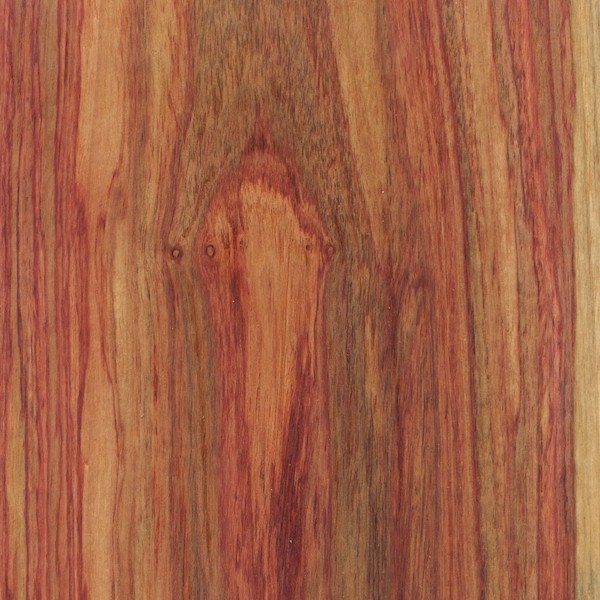
Striking, rare, and full of visual interest, Tulipwood is an exotic hardwood prized for its vivid colouration and fine texture. We offer select Tulipwood lumber and turning blanks ideal for fine furniture, veneers, inlays, musical instruments, and artistic woodworking projects that demand standout beauty and precision. Native to South America, Tulipwood is known for its creamy pink to reddish hues, often highlighted by bold streaks of red, purple, or salmon. Despite its density, it machines well, holds detail beautifully, and finishes to a lustrous, polished surface—making it a favourite among luthiers, turners, and fine woodworkers. As a proudly Canadian company, Windsor Plywood specializes in rare and hard-to-find wood species, backed by knowledgeable, one-on-one service. Whether you're crafting a custom inlay or a luxurious accent piece, Tulipwood adds a bold, elegant touch to your most refined creations.
Frequently Asked Questions
What is tulipwood and what makes it distinctive?
Brazilian tulipwood (Dalbergia decipularis) is a South American rosewood-family hardwood with exceptional and unusual colouring — creamy white to pale yellow base with vivid pink, rose, and salmon streaks. It has a fine texture, very high hardness (Janka approximately 2900), and takes a high natural polish. Tulipwood is used for inlay work, marquetry, pen turning, musical instrument accents, and small decorative woodworking.
Is tulipwood subject to CITES restrictions?
Yes. Brazilian tulipwood is in the Dalbergia genus, which was listed on CITES Appendix II in 2017, restricting international trade and requiring documentation from the exporting country confirming legal harvest. This has significantly reduced commercial availability. Windsor Plywood sources through established suppliers with appropriate documentation. Contact your local branch for current availability and sourcing information.
Does tulipwood maintain its pink colour over time?
Tulipwood's distinctive pink and rose tones fade with UV exposure, transitioning toward a more uniform light brown tone over time. UV-inhibiting clear finishes slow this process significantly. For applications where the distinctive colouring is the design intent, UV protection is important. The aged colour is still attractive but loses the vivid pink saturation that makes fresh tulipwood exceptional.
What are tulipwood's main woodworking applications?
Due to CITES restrictions and the small available sizes from tulipwood trees, it is primarily used as a specialty accent material — pen turning blanks, inlay strips, marquetry accents, musical instrument rosette and binding details, and small decorative boxes where the distinctive colour pattern justifies the premium cost and limited size availability.
Does Windsor Plywood carry tulipwood?
Windsor Plywood carries tulipwood as a specialty exotic hardwood in small turning and inlay dimensions subject to current availability and CITES documentation requirements. Contact your local Windsor Plywood branch to confirm current stock.